Find your footing.
Arrive with little. Find food, shelter, tools and a route into work. Fish, gather, farm or trade; decide what to consume, carry, sell or save.
Begin with survival, work and a home. The wider design is a medieval life and strategy sandbox where families, towns and rival societies compete across a planned roughly 40-square-mile world. Choose a trade and stay small, or fight for control of the realm.
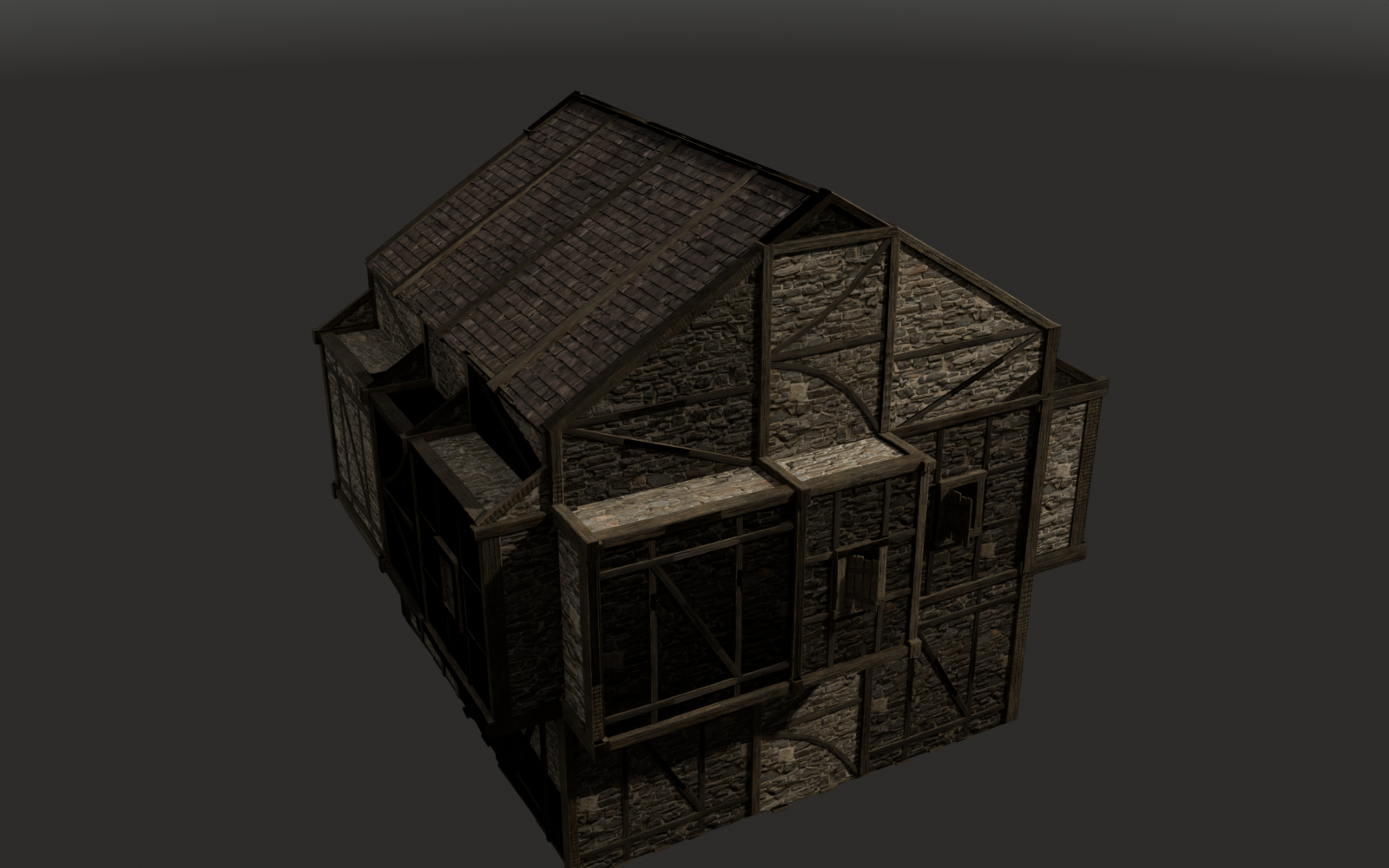
Many games begin with a chosen hero and a fixed quest. Hearth & Fortune begins with a question: what kind of life will you make when the world can carry on without you? A catch can be supper, stock for sale, or capital for a business. A home can be shelter, a family’s anchor, or the beginning of a village. The point is not to make every player a king. It is to make each choice meaningful at the scale that player cares about.
We want work and ambition to connect. Survival creates immediate needs; earning creates options; building creates obligations; relationships give those choices human weight. Your progress should be visible in the world and persistent in the save, so later decisions have a history behind them.
This is the full direction of the game, not a checklist of features already playable.
Arrive with little. Find food, shelter, tools and a route into work. Fish, gather, farm or trade; decide what to consume, carry, sell or save.
Learn trades and use production chains to turn local resources into goods people need. A workshop, fishing business or merchant route can support a household rather than serve as a disconnected crafting menu.
Invest in a place, form relationships and help a settlement survive. Businesses need buyers; families need supplies; a town has costs and competing priorities.
Other settlers pursue lives of their own. Some cooperate, some found competing towns, and some seek control. Prosperity, scarcity and migration change the opportunities around you.
Remain a fisher or merchant, govern a town, or pursue territory. The long-term design includes guards, trained armies, fortifications, battles and sieges, grounded in food, wages and logistics.
Age, loss and inheritance are intended to carry the story into another generation. An heir might receive a workshop, a thriving estate, a contested town or the consequences of an earlier mistake. There is no required final victory screen.
Each NPC is intended to be a distinct person with traits shaped by family and experience, their own goals, relationships and ways of acting. Some may build a trade or family; others may seek allies, found settlements or pursue power. These choices should interact so the world can develop differently across playthroughs. That is a design goal, not a guarantee of a unique story every run or a claim that the full simulation works in today’s alpha.
The game should support a modest life as fully as a path to power. Each route needs useful decisions and visible results, so choosing not to conquer still feels like a complete way to play.
Villages may prosper, stall or collapse. Scarcity can invite trade, migration, rebuilding or conflict. The simulation needs safeguards against total collapse while allowing local setbacks to matter.
Goods, money, ownership, people and changes to settlements should survive saving and reloading. Large-scale ambitions require careful simulation and storage design. A roughly 40-square-mile country with many NPCs is planned, not a claim about the current walkable world.
The Book brings your belongings, work, discoveries and relationships together. What you carry, learn, sell or build can change the next choice available to you. Parts of these systems have reached development packages through PB15a, but the complete player journey, presentation and saved continuation still need ordinary playtesting.
Gather, fish, farm or buy what you need. Handcrafting checks your supplies and skill before work begins; tools, clothing, remedies and building materials connect work in the field to what you can make next. Practice builds skills, so learning a trade is part of daily life rather than a separate character screen.
The Book gathers goods, observed markets and trade routes. A transaction weighs stock, coin and the proposed exchange. Supplies can also support a home, a worksite or a workshop. The design treats a paid delivery agreement and a voluntary donation as different decisions, each with a visible result.
The Journal shows your current goal and next step; People and Family track those you have met and the relationships you know. Places, homes and workshops give those connections a physical setting. Buying or selling a lived-in home should account for both ownership and the residents who must find somewhere else to live.
Saving is meant to preserve your work, property and changing world, so an earlier choice can matter later. The intended loop is simple to understand but broad in consequence: survive, earn, build, grow, then return to a world that remembers. A modest trade remains a meaningful path even as wider ambitions open up.
One possible chain: keep a fish to eat, sell the next catch, use the coin for supplies, then put those supplies toward a home or trade. A new skill or relationship can change what you try tomorrow. This is the intended connected loop; its end-to-end feel is still being tested.
Its pages bring together Goods and Gear; Map, Markets, Places and Routes; Journal, People and Family; Skills and Plans; and Craft, Build, Farm and Workshops. PB14a source adds a 19-skill index, plan links, clothing in Gear and scrolling tabs. These are views into connected systems, not separate minigames; their usability still needs player review.
The long-term design is a single-player country planned at roughly 40 square miles. Settlers arrive with their own traits and desires: some seek a home or trade, while others found rival towns and pursue power. Build villages and businesses, raise guards, compete for territory and work toward control of the realm. A player who wants a home and a trade can keep living that story.
Conflict would be more than a battle scene. Guards require training, equipment and pay. Armies need food. A siege can damage a settlement and disrupt its economy. Losing land or even a character should change the next chapter, rather than erase every consequence.
The first-person or third-person view keeps these large systems tied to one person’s experience. The ambition is for the world to remain understandable at human scale even as it grows over years and generations.
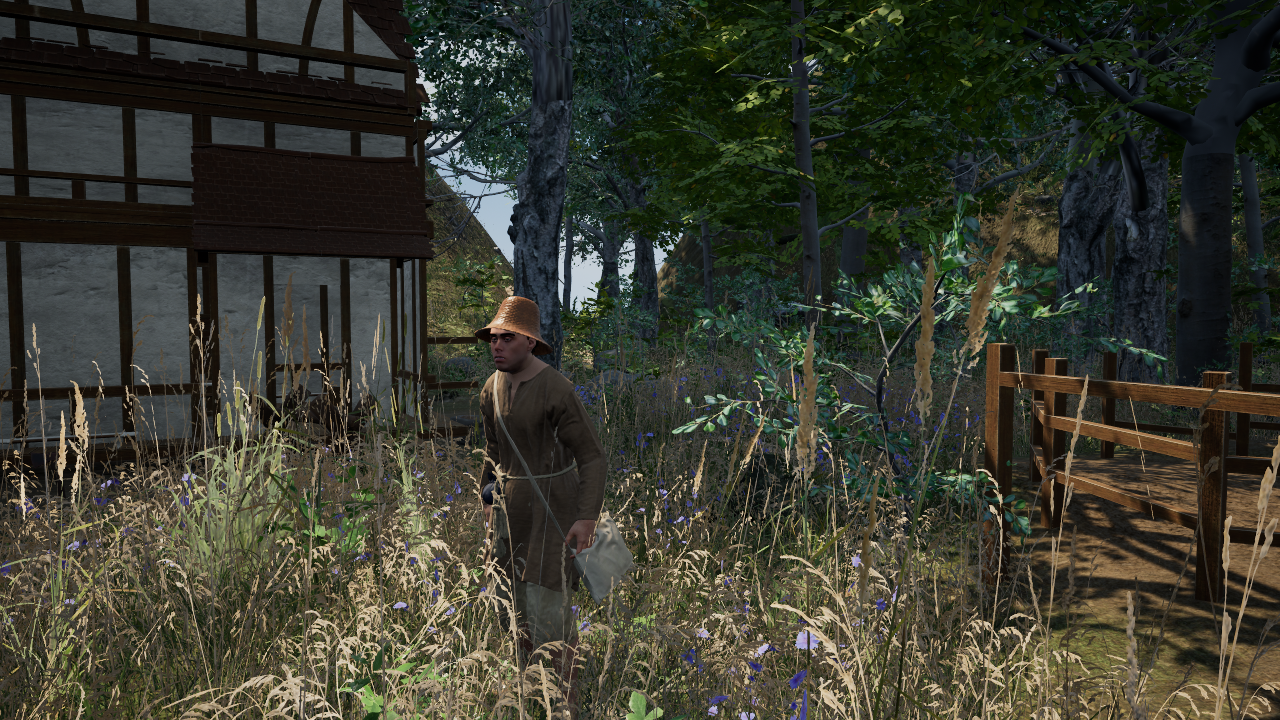
PB15a packaged the valley and completed eight controlled in-engine phases. Jim's first minutes of ordinary play exposed water, movement, camera and interface issues. NPC livelihoods, the complete first hour, save-and-continue behavior and combined performance still need proof. Newer PB15b source changes are not packaged-runtime evidence.
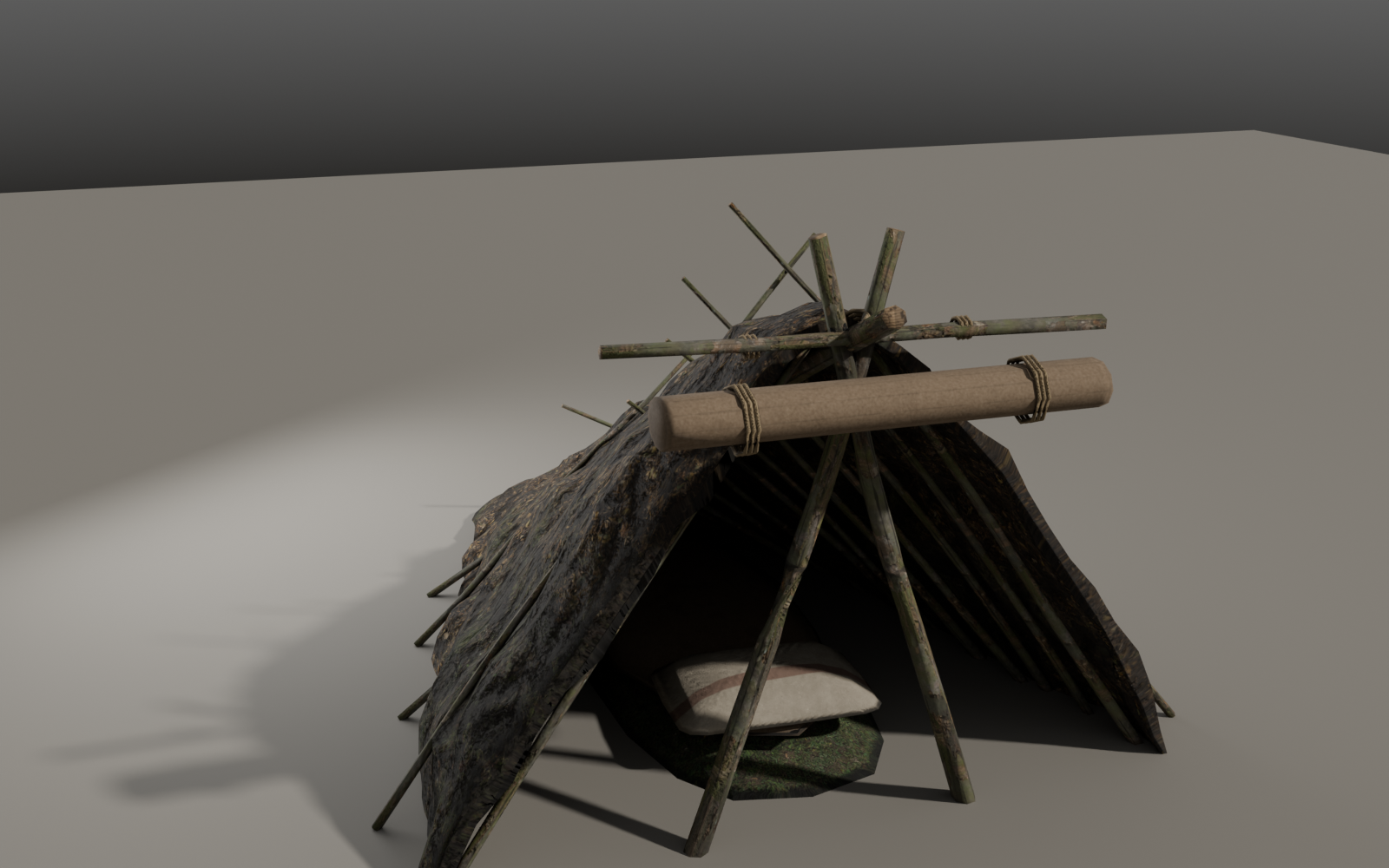
House and shelter images remain asset previews, not gameplay. Fishing, its hut, homes and furniture, companions, and production and trade have advanced in development builds, but still need ordinary player and visual review. The Riverside environment image below is an earlier Unreal capture, not proof of current valley gameplay.
Rival societies, guards and armies, conquest, heir succession and realm control describe the intended larger game. Alpha 1.4 is a development target for advancing that vision, not a promise that every system will be playable then. These are not claimed as current alpha features.
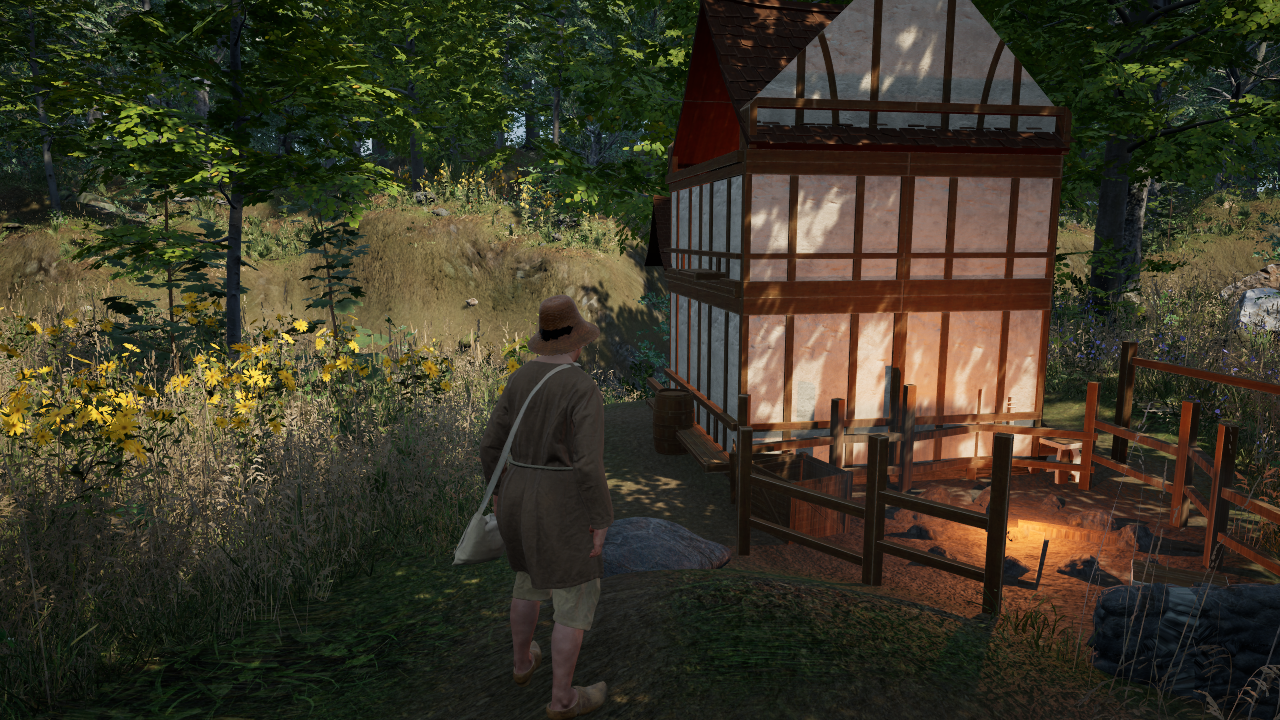
The next meaningful proof is an ordinary first hour that lets players find supplies, work, trade, build and meet people, then return to a save that still reflects those choices. The completed valley review keeps mountains north and east, ocean west, and a southern cliff-and-bay coast, with explorable foothills and selected passes. That regional shape is a design direction, not a finished-world claim. Follow the development record or read the shorter itch.io design note.